

Interior Styles – The Art of Giving Spaces a Soul
Your home is more than just a place—it is a sanctuary, a stage for your life, a reflection of your soul. The choice of an interior style is a deeply personal decision that expresses your aesthetics, your values, and your way of life. At Style & Taste, we invite you to explore the fascinating world of interior design styles. Discover the philosophies behind iconic designs and find inspiration to create spaces that are not only beautiful but feel authentic and reflect your personality.
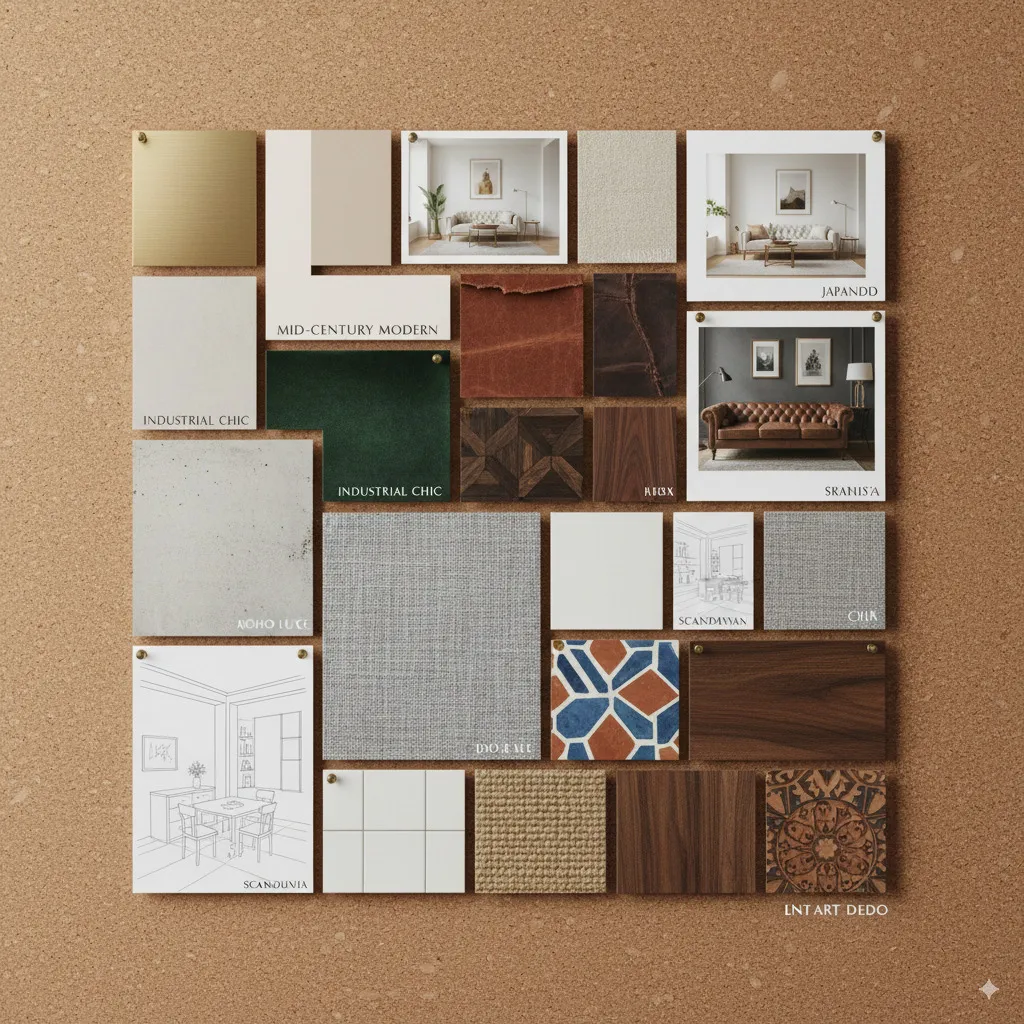
From a minimalist sanctuary to an opulent salon—discover the style that tells your story.
[TOC]
The Essence of Style: More Than Just Furniture
Section titled “The Essence of Style: More Than Just Furniture”An interior style is a coherent design language that runs through all elements of a room—from the color palette and material choices to furniture shapes, lighting design, and accessories. A well-defined style creates:
- Harmony and visual flow: Spaces feel cohesive and inviting.
- Atmosphere and mood: It significantly influences how we feel in a room—whether secure, inspired, calm, or energized.
- Functionality with aesthetics: It combines practical needs with appealing design.
- Personal expression: It allows us to manifest our identity and preferences spatially.
In Focus: Curated Interior Styles – Inspiration for Your Home
Section titled “In Focus: Curated Interior Styles – Inspiration for Your Home”We present a selection of defining interior styles, their characteristic features, and how you can bring their essence to life in your own four walls.
1. Scandinavian Serenity – Bright Elegance & Natural Harmony
Section titled “1. Scandinavian Serenity – Bright Elegance & Natural Harmony”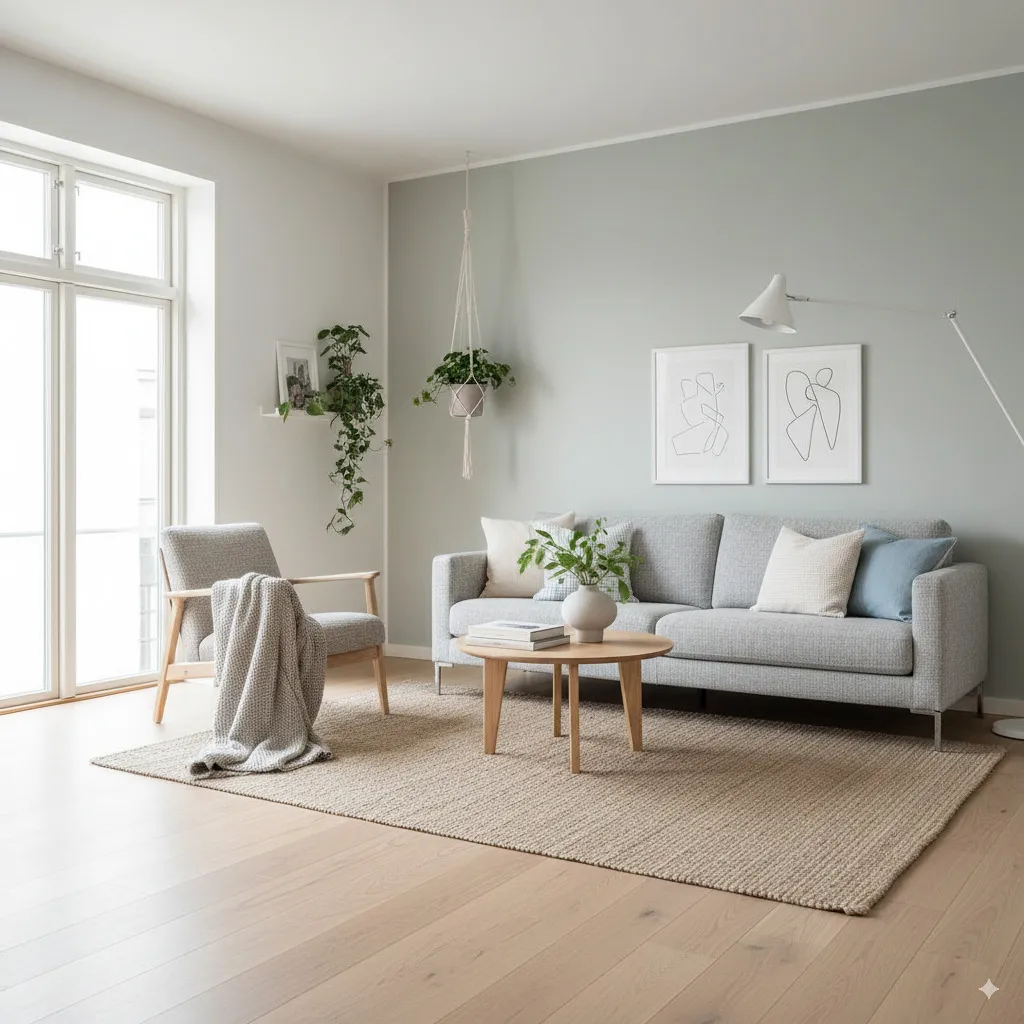
The Scandinavian style celebrates light, nature, and functional design. It creates an atmosphere of tranquility, clarity, and understated elegance.
The Soul of Scandinavian Serenity: This style, originating from the Nordic countries, is a response to long, dark winters, emphasizing light and a connection to nature. It embodies values like “hygge” (a Danish concept of coziness and contentment) and “lagom” (a Swedish philosophy of ‘just the right amount’). The overarching goal is to create a bright, friendly, and uncluttered home that is both beautiful and highly functional.
Characteristic Features – The DNA of the Style:
- Color Palette: A dominance of white, light gray, and soft pastel tones (rose, mint, light blue), accented by black or natural wood tones.
- Materials: Light woods (birch, pine, oak), wool, linen, cotton, felt, ceramic, and glass. Very little plastic or opulent metals.
- Furniture Design: Clean, functional lines, minimalist forms, often with visible wooden legs, modular systems, and design classics from Scandinavian Mid-Century Modern.
- Lighting Design: Maximizing natural light through large windows and light curtains. Use of various artificial light sources (floor, table, pendant lamps) to create a cozy atmosphere.
- Textiles & Decoration: Cozy blankets and pillows made from natural materials, graphic patterns, candles, houseplants, and simple vases. Few, but carefully selected decorative elements.
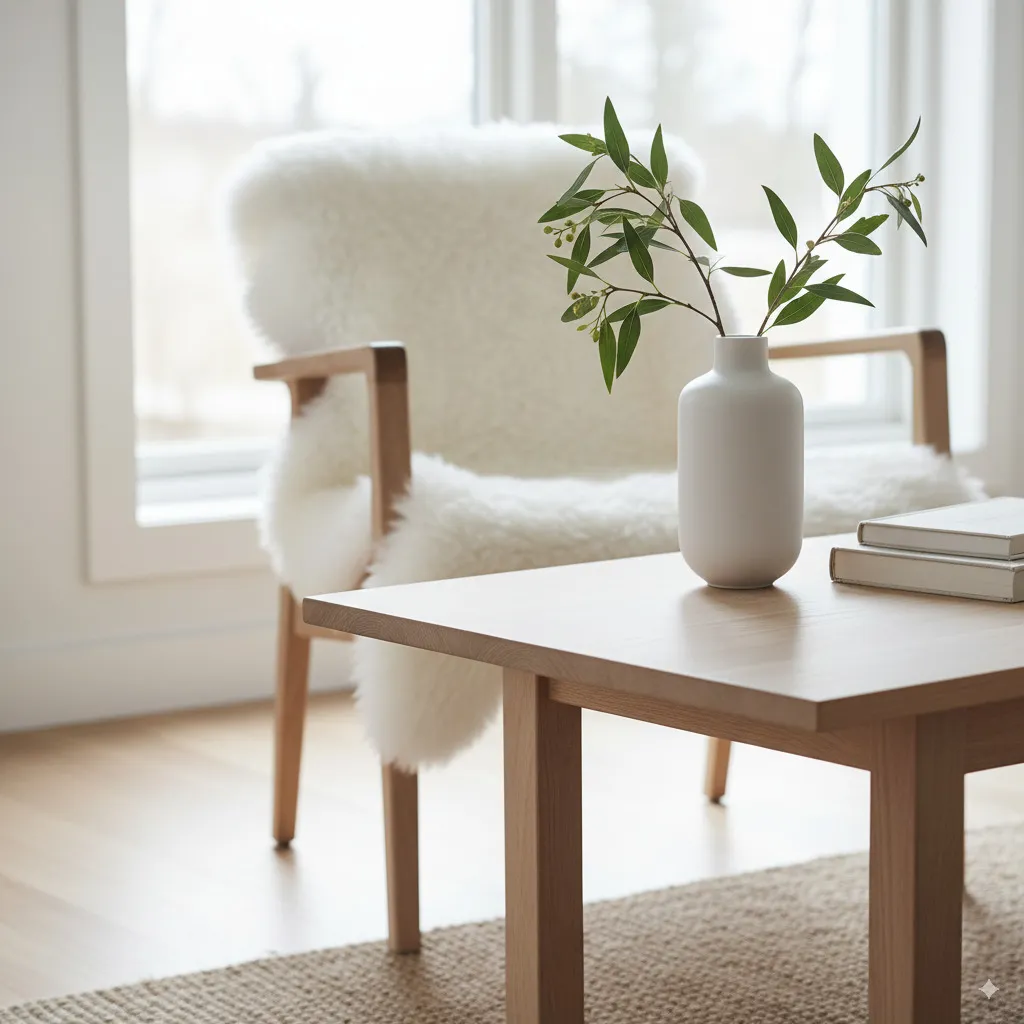
Subtle details and natural materials create the characteristic warmth and coziness of Scandinavian design.
How to Bring Scandinavian Serenity into Your Home – Key Elements & Styling Tips:
- Create a Bright Base: Paint walls in white or very light neutral tones, prefer light wood floors, or use light-colored rugs.
- Integrate Natural Materials: Use furniture made of light wood, textiles of linen and wool, and houseplants as living accents.
- Focus on Functionality and Clean Lines: Choose furniture that is both aesthetically pleasing and practical. Avoid superfluous ornamentation.
- Use Light as a Design Element: Ensure good illumination with various light sources. Use transparent or light-colored curtains.
- Celebrate “Hygge”: Create cozy corners with soft blankets, pillows, and candlelight.
2. Maximalist Eclecticism – The Art of Opulent Staging
Section titled “2. Maximalist Eclecticism – The Art of Opulent Staging”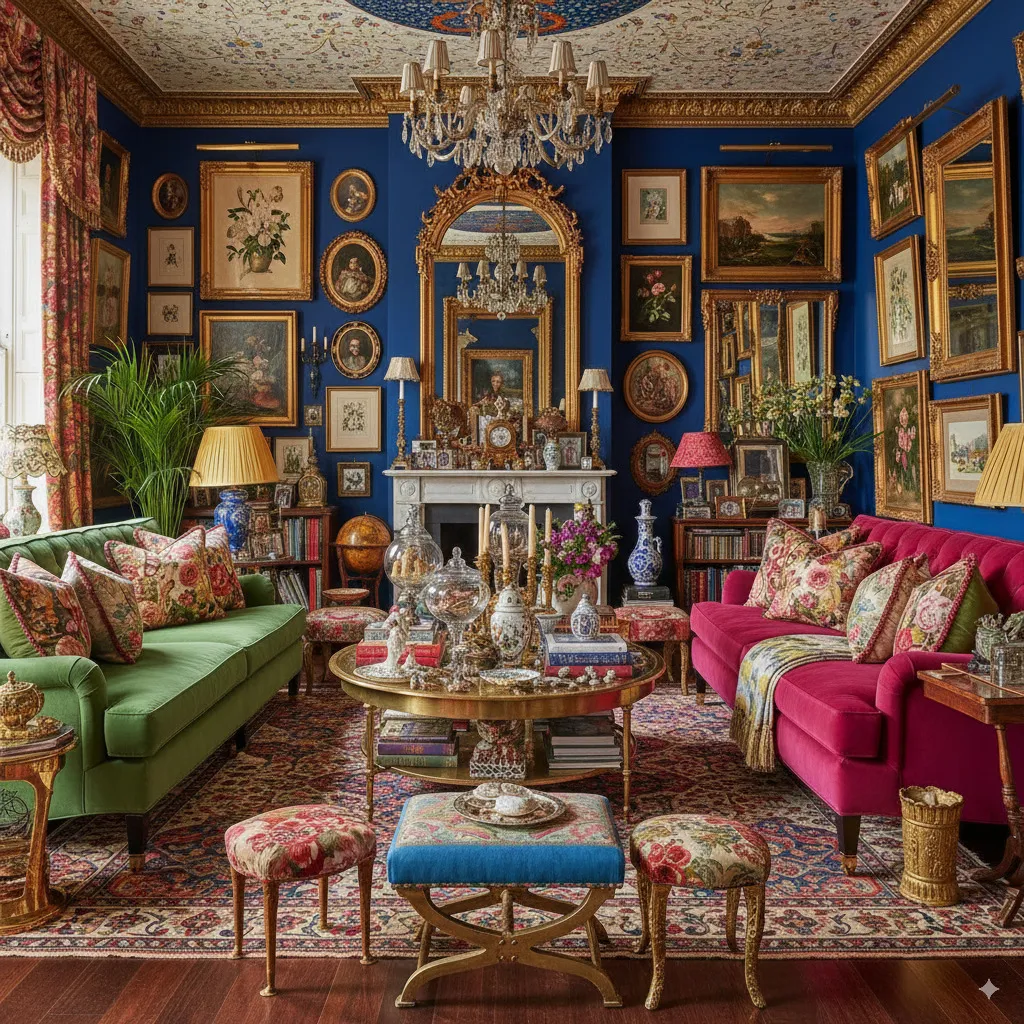
More is more! Maximalist eclecticism celebrates individuality, opulent colors, bold patterns, and a lovingly curated collection of objects that tell stories.
The Soul of Maximalist Eclecticism: This style is a rebellion against minimalism, an expression of personality and a passion for collecting. It revels in color, texture, and the idea of the home as a stage. Historical and cultural influences from periods like Baroque, Bohemia, and Hollywood Regency often play a role, creating a rich, layered, and deeply personal environment.
Characteristic Features – The DNA of the Style:
- Color Palette: Rich jewel tones (emerald, sapphire, ruby), deep velvet colors, metallic accents (gold, brass), often combined with dark wall colors or dramatic wallpapers.
- Materials: Velvet, silk, brocade, dark woods, marble, brass, mirrors, and crystal. A rich mix of luxurious textures.
- Furniture Design: Opulent sofas and armchairs, antique pieces next to modern design classics, statement furniture with unusual shapes or embellishments.
- Lighting Design: Dramatic chandeliers, opulent table and floor lamps with shades of silk or velvet, dim, atmospheric lighting.
- Textiles & Decoration: Heavy velvet curtains, rugs with oriental or floral patterns, an abundance of pillows in various sizes and textures, artworks, sculptures, books, personal collectibles—“more is more, but curated!”
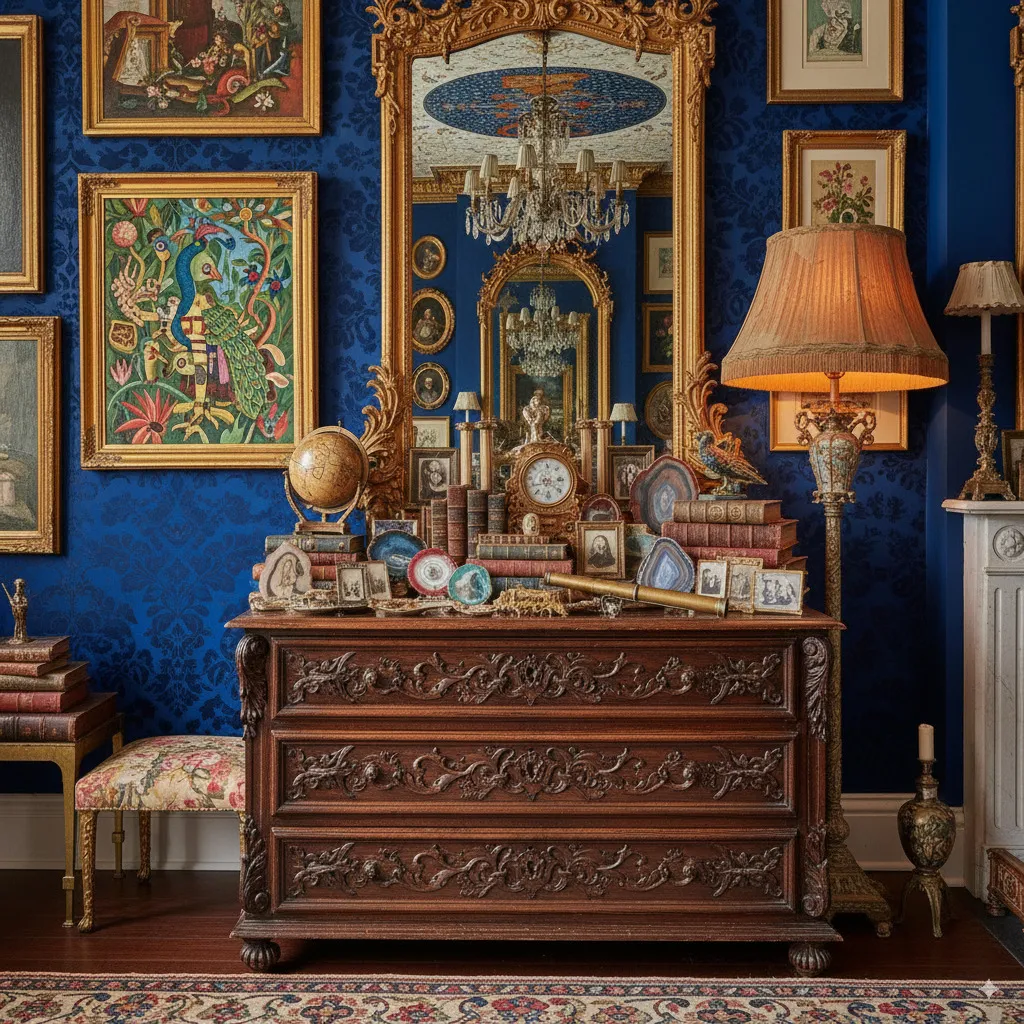
Every object tells a story and contributes to the layered, personal atmosphere.
How to Stage Maximalist Eclecticism with Grandeur – Key Elements & Styling Tips:
- Be Bold with Color and Pattern: Don’t shy away from strong wall colors or eye-catching wallpapers. Combine different patterns (floral, geometric, animal print)—a connecting color can help tie them together.
- Layer and Mix Textures: Work with different layers of textiles—velvet, silk, faux fur, chunky knit—to create depth and sensuality.
- Curate Your Treasures: Display your collections and personal favorite items. Group objects to create interesting still lifes.
- Play with Contrasts: Combine old and new, high-gloss and matte, opulent and simple to create tension.
- Use Light as a Mood Setter: Rely on multiple, dimmable light sources to create a warm, inviting, and slightly mysterious atmosphere.
3. Japandi – The Harmonious Fusion of Zen & Coziness
Section titled “3. Japandi – The Harmonious Fusion of Zen & Coziness”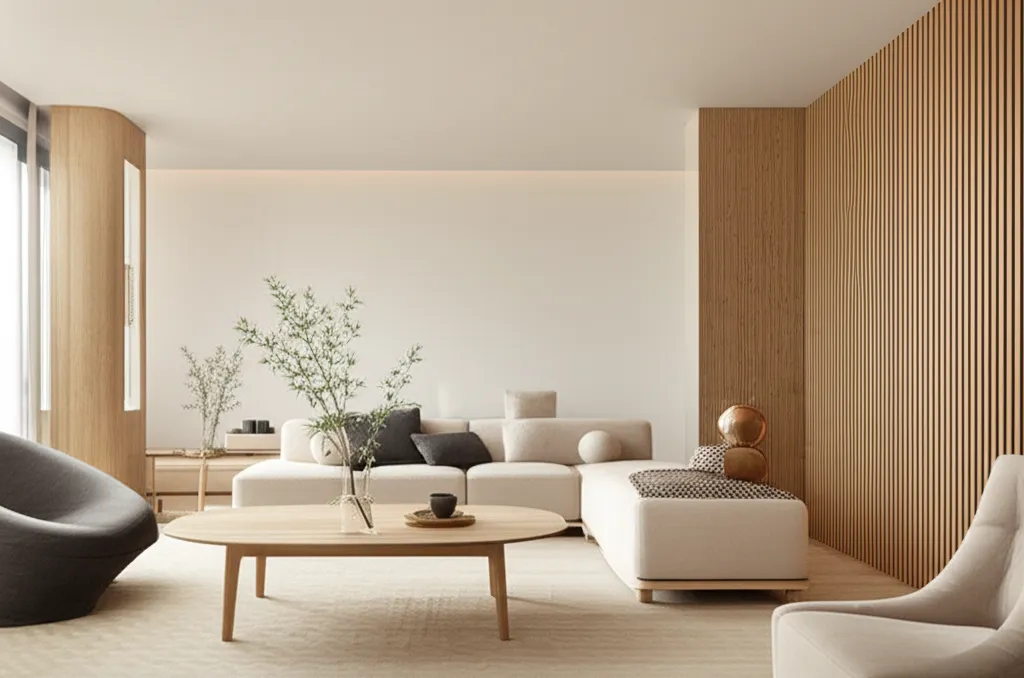
Japandi combines the minimalist aesthetic of Japan with the warm coziness of Scandinavian design. The result: rooms of calming clarity and subtle elegance.
The Soul of Japandi: This style is born from a search for tranquility and harmony. It is a fusion of the Japanese “Wabi-Sabi” philosophy (finding beauty in imperfection) and the Scandinavian practice of “hygge.” It values craftsmanship, natural materials, functionality, and the connection between indoor and outdoor spaces, creating a serene and mindful living environment.
Characteristic Features – The DNA of the Style:
- Color Palette: Muted neutral tones (beige, greige, light gray), soft earth tones, accented by black, dark brown, or a deep indigo. Few, but deliberate color accents.
- Materials: Light and dark woods (often combined), bamboo, rattan, linen, cotton, handmade ceramics, stone, and paper (e.g., Shoji lamps).
- Furniture Design: Simple, functional furniture with clean lines and low profiles. Focus on high-quality craftsmanship and natural materials. Often a mix of Scandinavian design classics and Japanese-inspired pieces.
- Lighting Design: Soft, diffuse light. Paper lamps, minimalist fixtures. Maximizing natural light, but often filtered through Shoji-like elements or light curtains.
- Textiles & Decoration: Few, but carefully selected decorative objects. Handmade ceramics, Ikebana arrangements (or single branches), artworks with calm motifs. Textiles made of natural fibers with subtle textures.
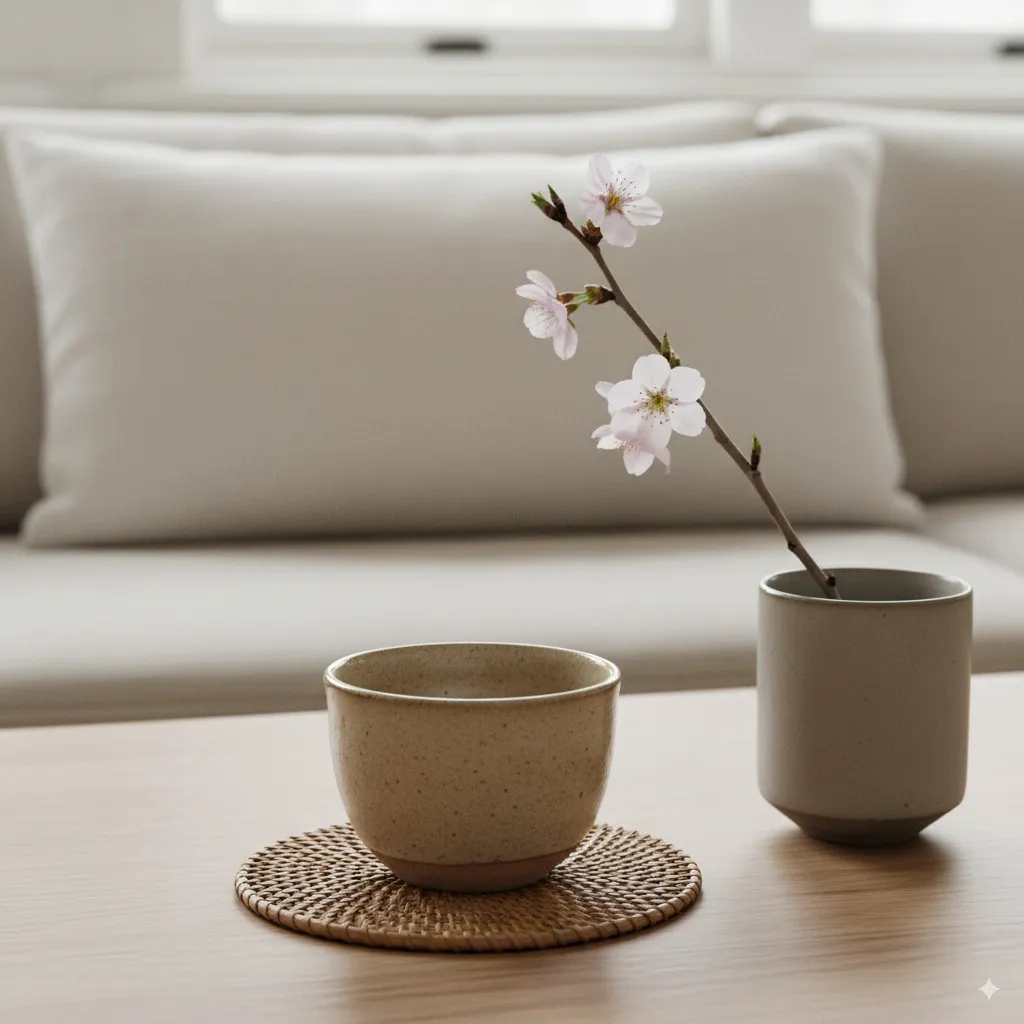
Beauty lies in simplicity, the quality of materials, and the appreciation of the imperfect.
How to Create Your Japandi Oasis – Key Elements & Styling Tips:
- Reduce to the Essential: Declutter consistently. Every object should have a purpose or exude beauty.
- Focus on Natural Materials: Opt for furniture and accessories made of wood, bamboo, linen, and ceramic.
- A Palette of Tranquility: Work with muted neutral and earth tones. Use dark accents for contrast and depth.
- Appreciate Craftsmanship: Integrate handmade objects that tell a story and are unique.
- Create a Connection to Nature: Bring plants and natural elements (stones, branches) into your spaces. Ensure good natural light.