

Design Objects – Icons of Style and Masterpieces of Craftsmanship
A home with true style is distinguished not only by a harmonious overall composition but also by the presence of objects that tell a story of their own—design objects. They are the jewels of interior design, masterpieces of craftsmanship and creative vision that endure beyond fleeting trends. At Style & Taste, we celebrate these icons of design and those special finds that lend spaces not just function, but also soul, character, and a touch of eternity. Discover the fascination of carefully selected design objects with us.
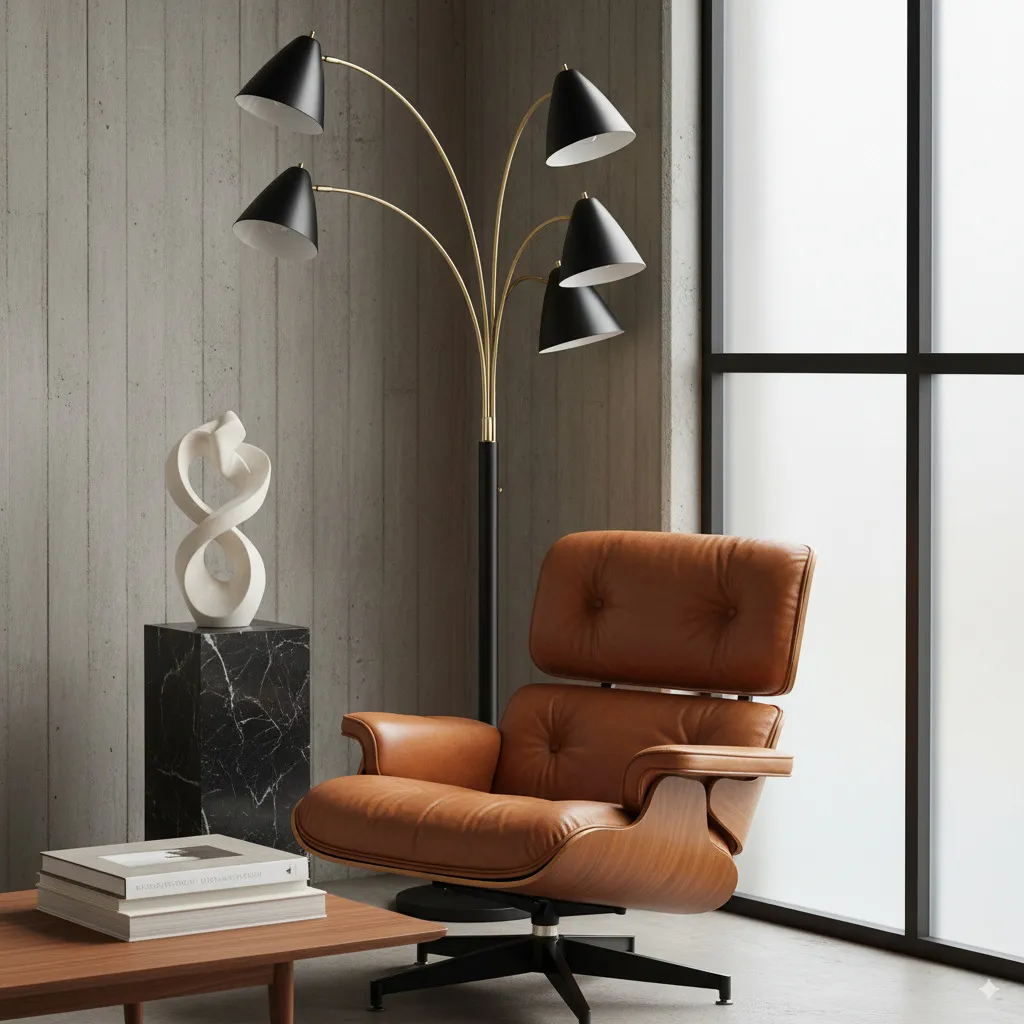
More than just items—design objects are an expression of culture, innovation, and a deep appreciation for form and function.
[TOC]
The Essence of Design Objects: Why They Transform Our Spaces
Section titled “The Essence of Design Objects: Why They Transform Our Spaces”Selected design objects are more than just functional or decorative elements. They have the power to:
- Act as a statement: An iconic piece of furniture or an extraordinary lamp can become the central focal point of a room.
- Celebrate craftsmanship: Many design objects are the result of masterful manufacturing and high-quality materials.
- Tell a story: They often reflect the zeitgeist of their creation or bear the personal signature of their designer.
- Embody timeless aesthetics: Well-designed objects outlast fads and often gain value and character over time.
- Create emotional connections: Favorite pieces can become faithful companions, providing a sense of permanence and joy.
- Bridge the gap between art and everyday life: They prove that functionality and sophisticated design are not mutually exclusive.
In Focus: Curated Design Icons & Discoveries
Section titled “In Focus: Curated Design Icons & Discoveries”We present a selection of design objects that inspire us with their design language, their history, or their innovative power—from established classics to promising new designs.
1. The Seat as Sculpture: [Name of an iconic chair/armchair, e.g., The Eames Lounge Chair & Ottoman]
Section titled “1. The Seat as Sculpture: [Name of an iconic chair/armchair, e.g., The Eames Lounge Chair & Ottoman]”![A high-quality shot of the [Name of the chair/armchair] in a stylish interior, showcasing its form and presence.](/_astro/placeholder.Ch5sHMTw_ZdDVgX.webp)
Designed by [Designer(s)] in [Year], the [Name of the chair/armchair] is not just a seat, but an icon of Mid-Century Modern design that stands for ultimate comfort and timeless elegance to this day.
The Design Philosophy & Origin Story: [Tell the story: Who were the designers? What was their vision or the reason for the design (e.g., a specific need, a competition)? What design principles (e.g., ergonomics, material honesty, innovative manufacturing techniques) are behind it? What were the cultural or technical influences?]
Characteristic Features & Materials: [Describe the design language, the materials used (e.g., molded plywood, leather, tubular steel), special details, and the craftsmanship. What makes this piece unmistakable?]
Perfection lies in the details: [Describe a special detail, e.g., the grain of the wood, the quality of the leather upholstery, the connecting elements].
Why It’s an Icon (or has the potential to be): [What makes this piece of furniture so special and enduring in its design? Is it its timelessness, its comfort, its innovative power, its cultural significance?]
Styling Tip from Style & Taste: [How can this piece be best integrated into a modern interior? What styles does it complement? Which companions (e.g., side table, lamp) harmonize particularly well with it?]
2. Light as a Work of Art: [Name of an iconic lamp, e.g., The Artichoke Lamp by Poul Henningsen]
Section titled “2. Light as a Work of Art: [Name of an iconic lamp, e.g., The Artichoke Lamp by Poul Henningsen]”
The [Name of the lamp], designed by [Designer] in [Year], is a masterpiece of lighting design. Its unique structure not only creates glare-free light but also transforms the lamp itself into a fascinating art object.
The Design Philosophy & The Play of Light: [Tell the story: What was the designer’s intention (e.g., glare-free light, creating a specific lighting mood, creating a sculptural form)? What scientific or aesthetic principles underlie the design?]
Characteristic Features & Materials: [Describe the structure, the materials used (e.g., copper, steel, glass), the type of light emission, and the visual effect of the lamp, both when on and off.]
A fascinating interplay of form and function: [Describe a special detail of the construction or lighting effect].
Why It’s an Icon (or has the potential to be): [Is it the innovative lighting technology, the timeless form, the quality of craftsmanship, or its ability to shape rooms atmospherically?]
Styling Tip from Style & Taste: [Where does this lamp show to its best advantage (e.g., over a dining table, in a high-ceilinged room)? Which room styles does it complement particularly well? How can its effect be supported by the rest of the room’s design?]
3. The Object of Desire: [Name of a special decorative object/sculpture/vase, e.g., The Aalto Vase]
Section titled “3. The Object of Desire: [Name of a special decorative object/sculpture/vase, e.g., The Aalto Vase]”
Sometimes it is a single, extraordinary object that gives a room a distinctive identity. The [Name of the object] by [Designer/Manufacturer], designed in [Year], is such a piece that embodies [short characterization, e.g., organic form and timeless beauty / minimalist clarity and perfect craftsmanship].
The Inspiration & The Artistic Vision: [What was the inspiration for this object? What artistic or philosophical idea is behind it? Was there a special manufacturing technique?]
Characteristic Features & Materiality: [Describe the shape, color, material (e.g., hand-blown glass, handmade ceramic, bronze), and the special tactile or visual quality of the object.]
Craftsmanship you can see and feel: [Describe a fascinating detail].
Why It’s a Desirable Collector’s Item (or could be): [Is it its rarity, its iconic shape, its connection to a famous designer, its quality of craftsmanship, or its ability to evoke emotions?]
Styling Tip from Style & Taste: [How can this object be best presented to fully unfold its effect? Standing alone as a solitary piece or as part of a curated arrangement? What surroundings enhance its character?]
Investing in Design: More Than Just a Purchase – An Investment in Style and Soul
Section titled “Investing in Design: More Than Just a Purchase – An Investment in Style and Soul”
The decision for a genuine design object is often an investment that brings joy for generations and can increase in value.
What to Look for When Buying Design Objects?
- Authenticity & Provenance: Buy from reputable dealers, galleries, or directly from manufacturers to acquire originals. Look for certificates or markings.
- Material & Craftsmanship: High-quality materials and excellent craftsmanship are often a sign of durability and value retention.
- Timeless Design vs. Trend Piece: Classics often have a more stable value. For contemporary pieces, look for the potential to become an icon.
- Personal Connection: The most important criterion—choose objects that you truly love and that reflect your personality.
- Care & Preservation: Inform yourself about the proper care to maintain the value and beauty of your design objects for the long term.