

Food Trends – The Avant-Garde of Taste, Analyzed by Style & Taste
The world of cuisine is a dynamic ecosystem where tradition and innovation constantly meet, tastes evolve, and new philosophies of enjoyment emerge. Food trends are more than just fleeting fads; they are seismographs of societal change, an expression of new value systems, and harbingers of what will shape our plates and tables in the future. At Style & Taste, we take a close look at these movements, analyze their relevance, and curate for you the most exciting developments from the avant-garde of taste.
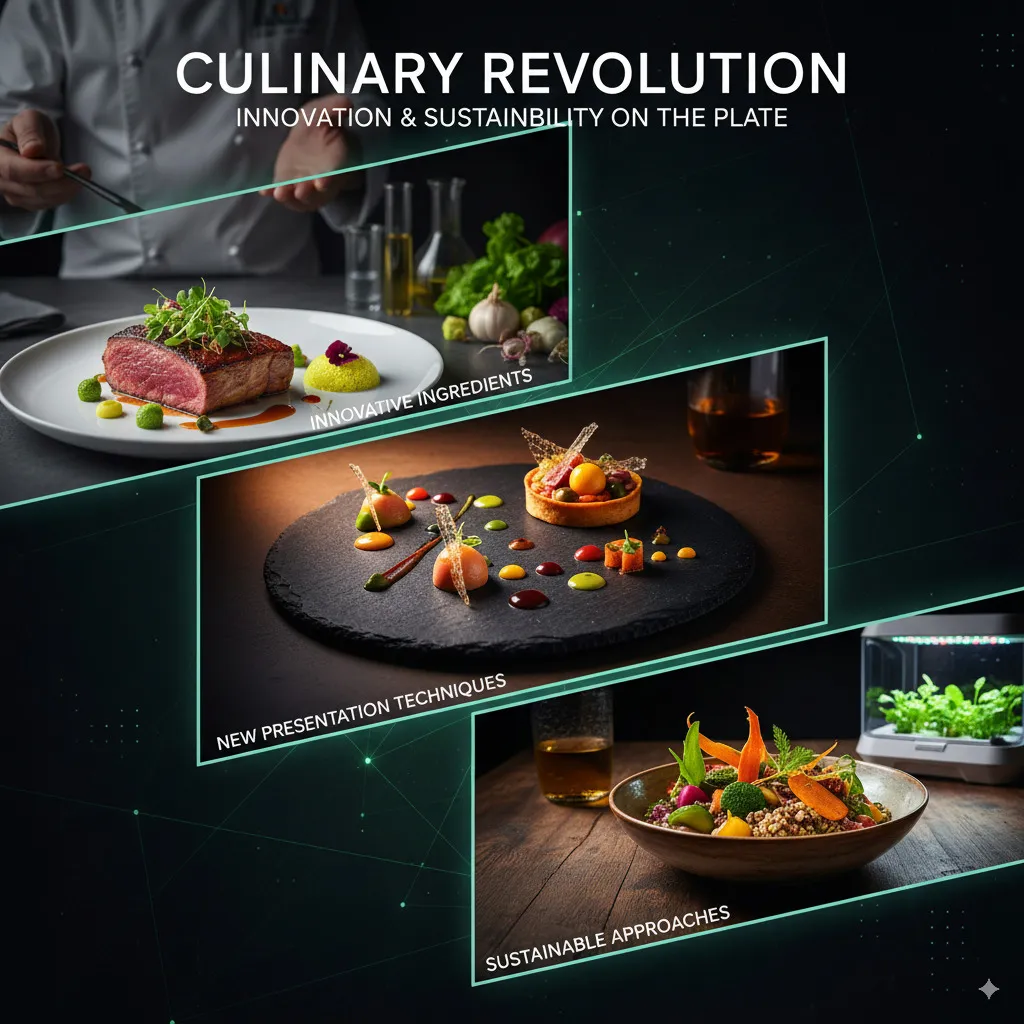
From micro-trends to global movements—we decode the codes of modern cuisine and show you what truly matters.
[TOC]
The Anatomy of a Food Trend: More Than Just Hype
Section titled “The Anatomy of a Food Trend: More Than Just Hype”Before we delve into specific trends, here’s a brief look at what constitutes a food trend and how we at Style & Taste evaluate it:
- Origin & Drivers: Where does the trend come from? Is it initiated by top chefs, fueled by social media, driven by health movements, or rooted in rediscovered traditions?
- Relevance & Longevity: Is it a short-term phenomenon, or does the trend reflect a deeper shift in our eating habits and values (e.g., sustainability, plant-based diets)?
- Taste Innovation & Aesthetics: Does the trend offer new taste experiences? How does it affect the presentation and visual appearance of dishes?
- Feasibility & Accessibility: Is the trend only relevant in high-end gastronomy, or can it be integrated into everyday cooking or more accessible restaurant concepts?
- Cultural Significance: Does the trend reflect cultural influences, fusions, or a new appreciation for certain cuisines or ingredients?
Current Food Trends in Focus at Style & Taste – The Future on a Plate
Section titled “Current Food Trends in Focus at Style & Taste – The Future on a Plate”1. Trend: Hyper-Regionality – Rediscovering the Terroir on Your Doorstep
Section titled “1. Trend: Hyper-Regionality – Rediscovering the Terroir on Your Doorstep”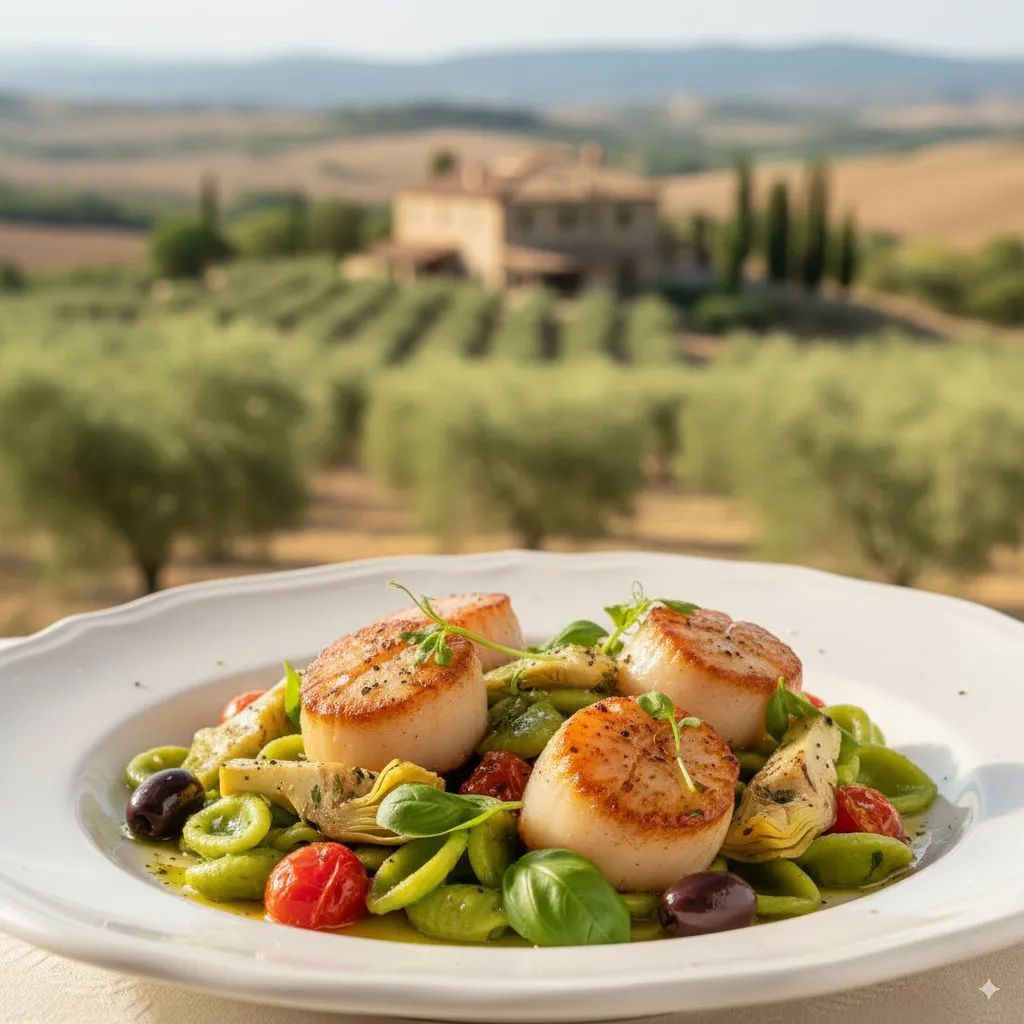
A return to the origins: The “hyper-regionality” trend celebrates the unique products and culinary traditions of a narrowly defined geographical region. It’s about authenticity, short supply chains, and the rediscovery of almost forgotten tastes.
The Essence of the Trend – What’s Behind It? [Describe the core idea: Why this focus on the extremely local? Is it a reaction to globalization, a desire for more transparency and sustainability, a new appreciation for local producers and artisans? What role do seasonality and the preservation of old varieties/breeds play?]
Manifestations of the Trend – What Does It Look Like in Practice?
- In Gastronomy: [e.g., Restaurants working exclusively with ingredients from within an X-kilometer radius; menus that reflect the seasons and local supply; close collaboration with farmers, fishermen, hunters.]
- For the Consumer: [e.g., Visiting farmers’ markets, direct farm sales, interest in regional specialties, home gardening.]
- Typical Ingredients & Dishes: [Name examples of products or dishes that are being rediscovered or reinterpreted within this trend.]
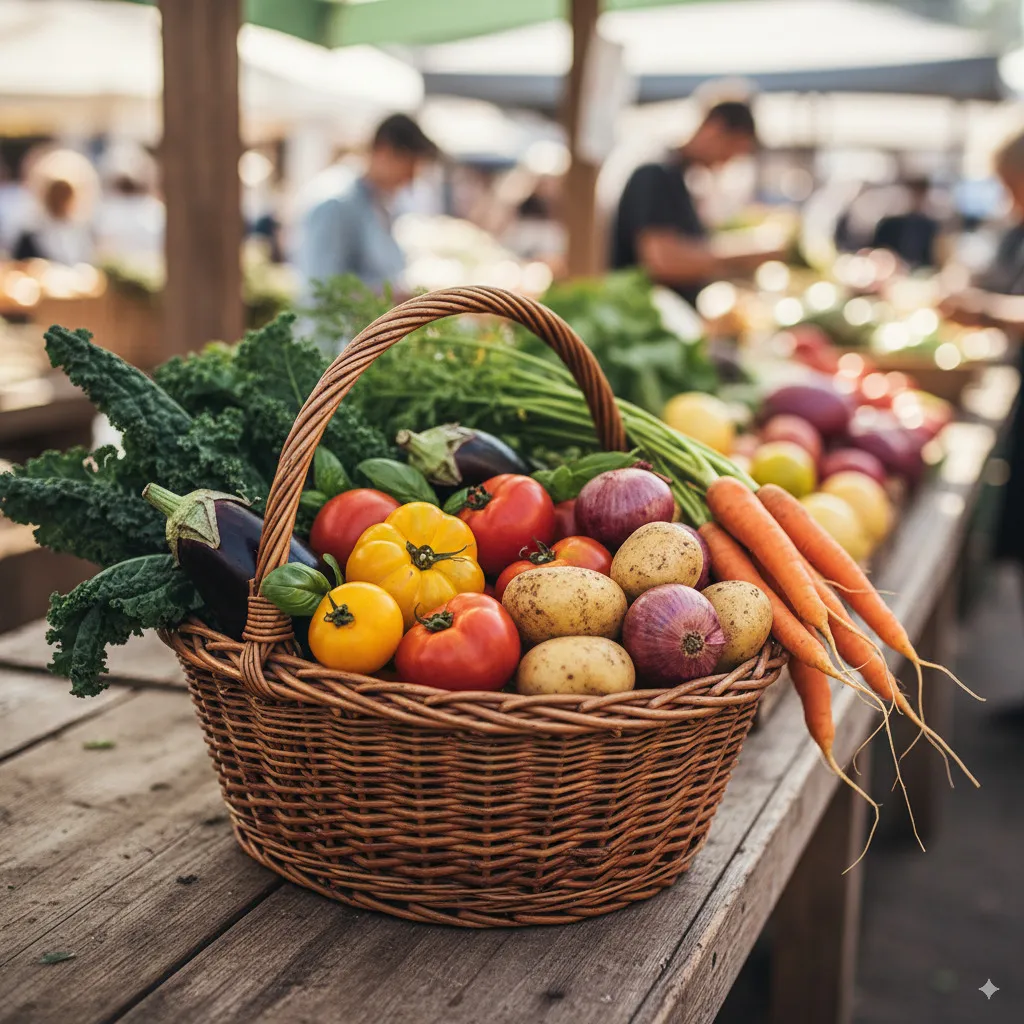
The appreciation for the product and its origin is at the heart of this authentic approach to indulgence.
Style & Taste Perspective – Why This Trend is Relevant: [Your assessment: Is this a sustainable change? What opportunities does it offer for producers and consumers? How does it influence the culinary landscape? Does it align with the philosophy of Style & Taste (e.g., quality, consciousness, authenticity)?]
2. Trend: Plant-Forward Dining – Vegetables as the Star of the Plate
Section titled “2. Trend: Plant-Forward Dining – Vegetables as the Star of the Plate”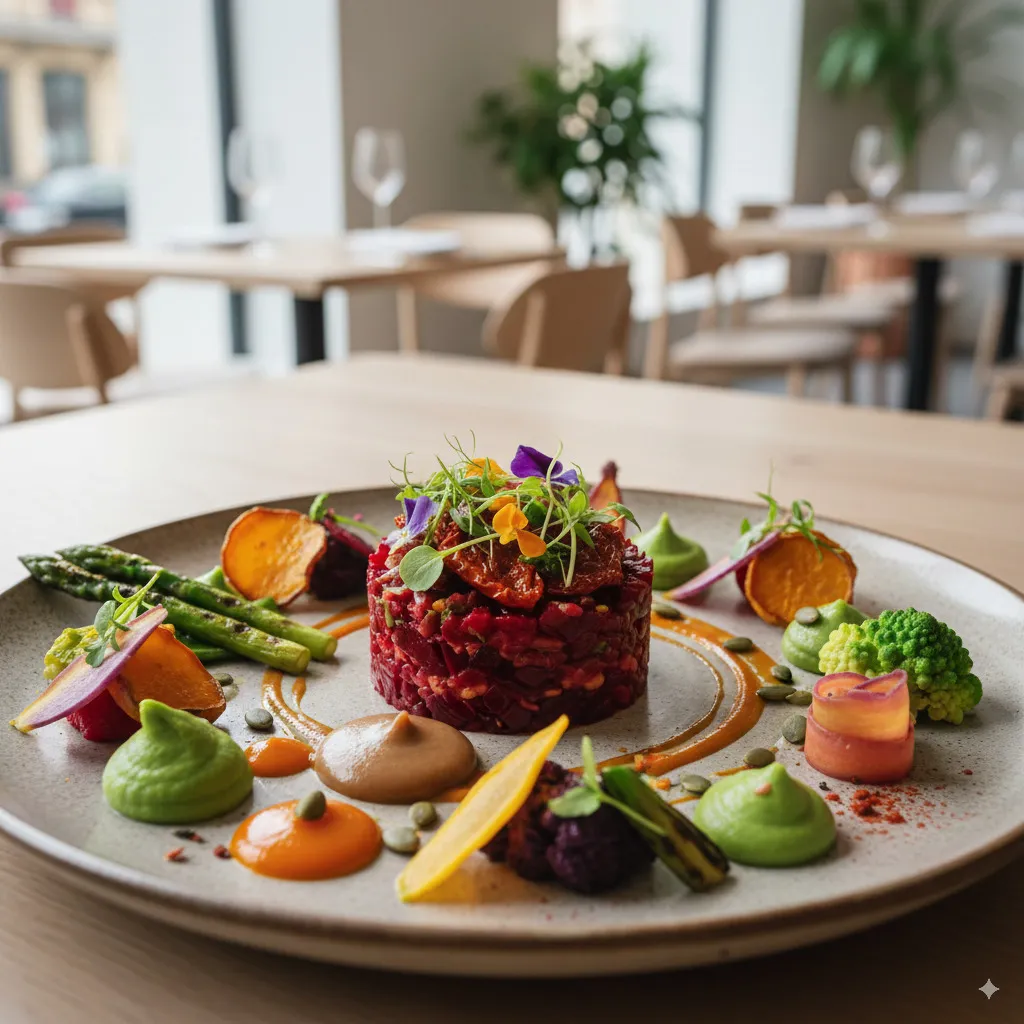
More than just an alternative: “Plant-Forward Dining” places vegetables, legumes, grains, and mushrooms at the center of the culinary experience. It’s about creativity, flavor diversity, and a conscious, often more sustainable way of eating, without being dogmatic.
The Essence of the Trend – The New Appreciation for Plants: [Why this focus? Sustainability aspects, health consciousness, ethical considerations, but also the discovery of new flavor worlds and preparation techniques for plant-based ingredients. Distinction from purely vegan/vegetarian—it’s often about the reduction of animal products and the elevation of plant-based ones.]
Manifestations of the Trend – What Does It Look Like in Practice?
- In Gastronomy: [e.g., Restaurants with a high proportion of vegetarian/vegan options, menus where vegetables play the leading role and meat/fish act as a side, innovative preparation methods for vegetables (fermentation, open-fire grilling, etc.).]
- For the Consumer: [e.g., Eagerness to experiment with new types of vegetables, creative vegetarian/vegan recipes, focus on seasonal vegetables.]
- Exciting Ingredients & Techniques: [e.g., Mushrooms as a meat substitute (king oyster, oyster mushrooms), legumes in new varieties, fermentation (kimchi, kombucha), innovative vegan cheese and milk alternatives.]
Style & Taste Perspective – Why This Trend is Forward-Thinking: [Your assessment: How does this trend change our understanding of pleasure? What role does it play in a sustainable future? How can it be stylishly integrated into everyday life?]
3. Trend: Culinary Heritage Revival – The Renaissance of Traditional Cooking Techniques & Recipes
Section titled “3. Trend: Culinary Heritage Revival – The Renaissance of Traditional Cooking Techniques & Recipes”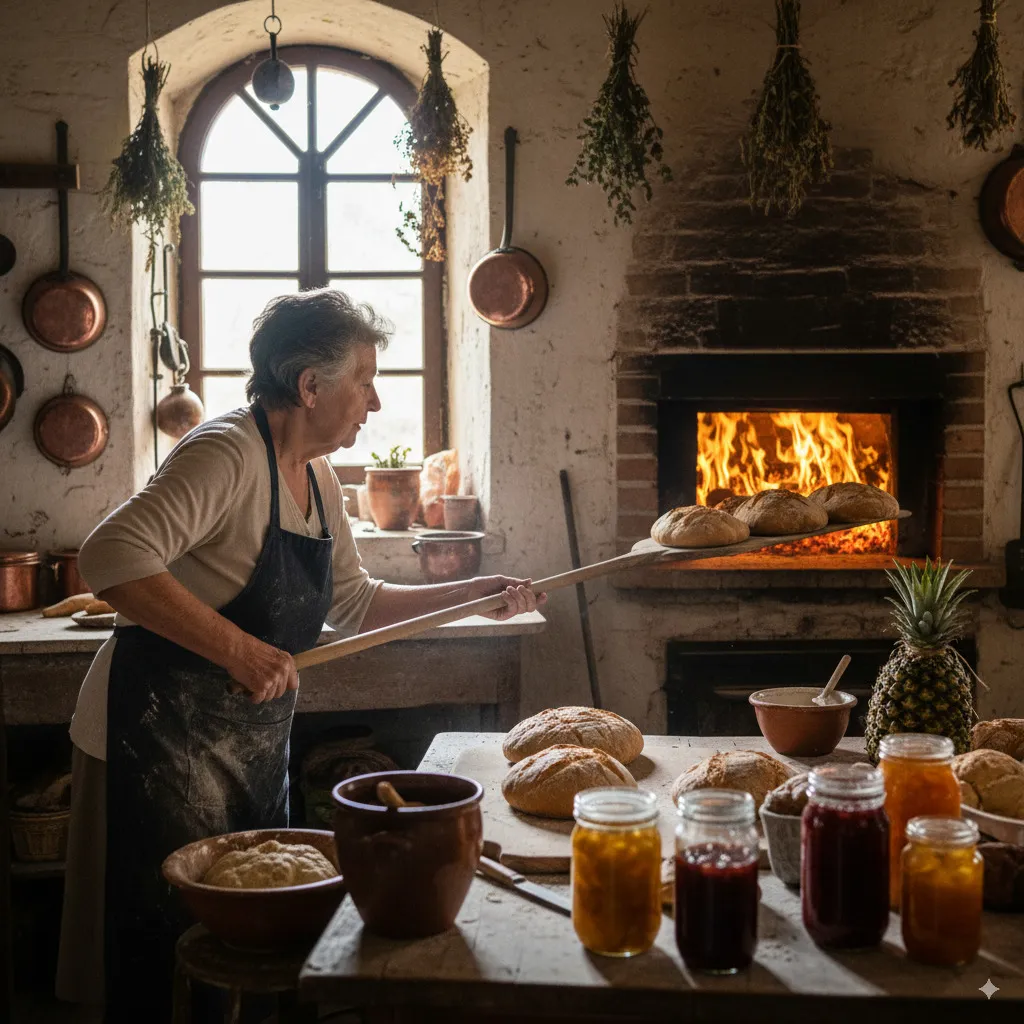
Back to the roots, with an eye to the future: This trend celebrates the rediscovery and contemporary interpretation of time-honored cooking techniques, forgotten ingredients, and regional culinary treasures. It’s a tribute to culinary heritage and artisanal mastery.
The Essence of the Trend – The Appreciation of the Authentic: [Why this return? A longing for authenticity and simplicity, a counter-movement to industrialized food production, preservation of culinary heritage, fascination with original flavors.]
Manifestations of the Trend – What Does It Look Like in Practice?
- In Gastronomy: [e.g., Focus on ancient grains, traditional fermentation and preservation methods (canning, curing, smoking), revival of regional specialties, “nose-to-tail” and “root-to-leaf” approaches.]
- For the Consumer: [e.g., Interest in baking sourdough bread, making jams and chutneys, cooking from old family recipes, rediscovering grandmother’s kitchen.]
- In Focus: [Name examples of rediscovered techniques or ingredients, e.g., fermentation, open-fire cooking, ancient vegetable varieties, wild herbs.]
Style & Taste Perspective – Why This Trend Touches the Heart and Palate: [Your assessment: What significance does this trend have for the diversity of our food culture? How does it connect enjoyment with history and identity? How can it be stylishly integrated into the modern kitchen?]
Outlook: What Awaits Us in the Culinary World (Optional Section)
Section titled “Outlook: What Awaits Us in the Culinary World (Optional Section)”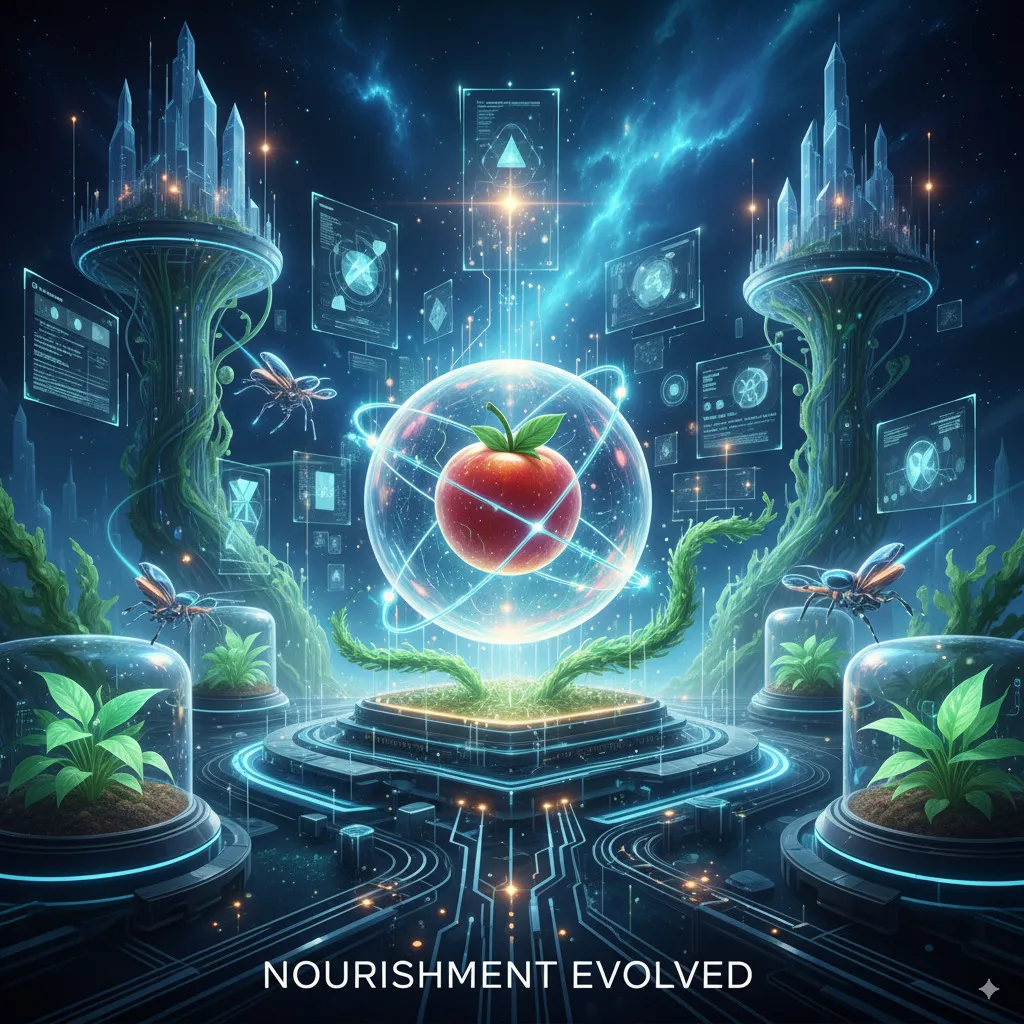
The culinary landscape is constantly in motion. Style & Taste takes a look into the crystal ball and outlines possible developments that could further change the way we eat and enjoy food.
[e.g., The role of AI in recipe development, personalized nutrition based on genetics, cell-cultured meat, vertical farming, 3D food printing—opportunities and challenges.]
[e.g., Further development of zero-waste concepts, regenerative agriculture, focus on biodiversity, transparent supply chains, ethical consumption as mainstream.]
[e.g., Increasing fusion of international cuisines, emergence of new, hybrid dishes that could become future classics, the role of “Third Culture Cuisine”.]