

Sustainable Fashion: Style with a Conscience
To love fashion and to act with intention are not mutually exclusive pursuits. At Style & Taste, we believe they are one and the same. Sustainable fashion is more than a fleeting trend; it is a return to the principles of quality, artistry, and respect that have always defined true style. It is a movement towards a deeper appreciation for the story behind our clothes—from the fibers grown in the earth to the hands that craft them into being.
This is a guide to building a wardrobe that is not only stylish, but also has a soul.

The Meaning of a Conscious Wardrobe
Section titled “The Meaning of a Conscious Wardrobe”The dialogue around conventional fashion often highlights its profound impact: the immense consumption of resources, the chemical toll, and the precarious conditions for its workers. Sustainable fashion is the thoughtful response to these challenges. It seeks to weave a new narrative—one of environmental stewardship and social fairness.
Its goals are simple, yet transformative:
- To protect our planet by minimizing water usage and eliminating harmful chemicals.
- To honor the people behind our clothing with fair wages and safe workplaces.
- To champion longevity over disposability through repair, reuse, and recycling.
- To offer transparency, empowering us to make choices we can be proud of.
The Three Pillars of Sustainable Style
Section titled “The Three Pillars of Sustainable Style”Sustainability in fashion is a philosophy built on three core tenets.
1. Conscious Materials: The Foundation of Design
Section titled “1. Conscious Materials: The Foundation of Design”The journey of any garment begins with its raw materials. A sustainable approach prioritizes fibers that are cultivated in harmony with nature.
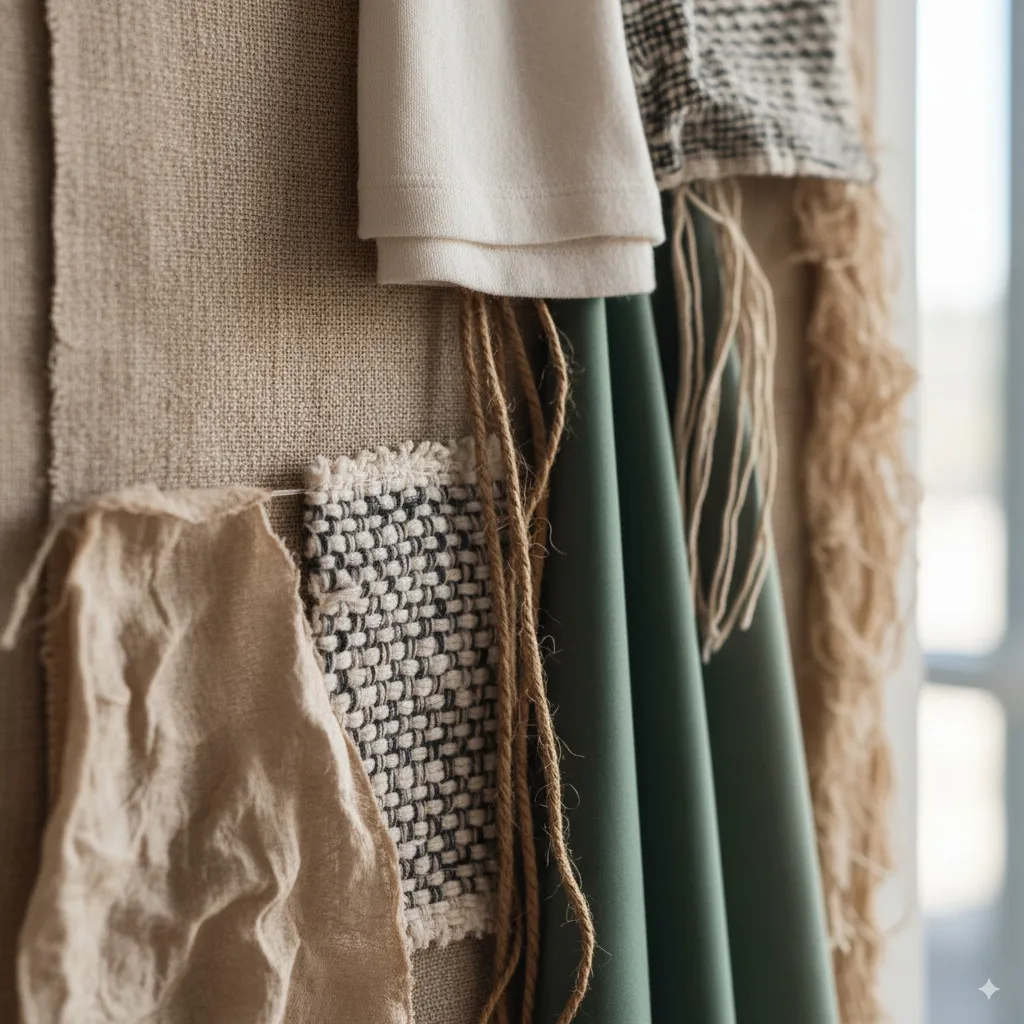
Look for materials born from the earth: Organic Cotton, grown without synthetic pesticides; Linen & Hemp, resilient plants requiring little water; and innovative fibers like Tencel™/Lyocell, derived from sustainably managed wood. Recycled materials—from polyester to wool—give new life to what was once considered waste, closing the loop on consumption.
2. Ethical Production: The Human Element
Section titled “2. Ethical Production: The Human Element”A garment’s beauty is intrinsically tied to the well-being of the people who made it. Social sustainability is non-negotiable.

This principle champions living wages, safe working environments, and the fundamental rights of workers. It demands transparency, asking brands to proudly share the stories of their production partners and supply chains.
3. Longevity & Circularity: The Antidote to “New”
Section titled “3. Longevity & Circularity: The Antidote to “New””The most radical act in modern fashion is to cherish what we already own. This is the heart of the circular economy.

It is a philosophy that values timeless design and exceptional quality over fleeting trends. It invites us to repair and care for our clothes, to explore the treasures of secondhand and vintage, and to consider innovative models like renting for special occasions. It is a shift from a linear path of “buy, wear, discard” to a beautiful, continuous circle.
Navigating with Confidence: How to Recognize True Sustainability
Section titled “Navigating with Confidence: How to Recognize True Sustainability”In a world of “green” marketing, clarity is key. While no system is perfect, trustworthy certifications and genuine brand transparency are your most reliable guides.
Look for Established Certifications: Seals like GOTS (Global Organic Textile Standard), Fair Trade Certified, and the Fair Wear Foundation (FWF) provide third-party verification of ecological and social standards. They do the deep research so you don’t have to.
Demand Brand Transparency: Go beyond the label. Explore a brand’s website. Do they speak with specificity about their factories, materials, and long-term goals? Vague statements are a red flag; genuine commitment is detailed and proud.